Creating an effective ecommerce website is more than just putting products online; it’s about crafting an experience that resonates with your target audience. For businesses in Ipswich looking to enhance their online sales, understanding the nuances of web design is crucial. A well-designed ecommerce site can dramatically influence customer behavior, turning casual browsers into loyal buyers. Here, we will explore how identity web design can elevate your ecommerce platform and drive sales.
The Role of Web Design in Ecommerce
Ecommerce web design serves as the digital storefront for a business. Just like a physical store needs to be inviting and easy to navigate, your website must offer a seamless user experience. This encompasses everything from layout and navigation to aesthetics and responsiveness. A poorly designed site can lead to high bounce rates and lost sales opportunities.
Research indicates that users form an opinion about a website within milliseconds of visiting it. This emphasizes the importance of first impressions. An attractive, professional design helps build trust with potential customers. When users feel confident in your brand, they are more likely to complete a purchase.
Understanding Identity Web Design
Identity web design focuses on creating a distinctive brand identity through visual elements such as color schemes, typography, and imagery. In the competitive landscape of ecommerce, establishing a strong brand presence is vital for standing out from competitors.
For instance, companies like Apple have mastered this aspect by maintaining consistent branding across all platforms. The sleek design and minimalist aesthetic not only reflect their identity but also enhance user experience by reducing clutter and guiding attention where it matters most.
Key Elements of Identity Web Design
Brand Colors: Choosing colors that reflect your brand’s personality can evoke specific emotions in consumers. Typography: The fonts you use should align with your brand voice and be readable across devices. Imagery: High-quality images convey professionalism and attention to detail. Logo Placement: Your logo should be prominently displayed but not overwhelming, ensuring clear visibility without detracting from the shopping experience. Consistent Layout: A cohesive layout throughout your site reinforces brand identity while aiding navigation.Why Responsive Design Matters
With more consumers shopping on mobile devices than ever before, responsive web design has transitioned from being optional to essential. A responsive site adjusts seamlessly to different screen sizes, ensuring a positive user experience regardless of device type.
According to recent statistics, over 50% of all ecommerce traffic comes from mobile devices. If your website isn’t optimized for mobile users, you risk alienating half of your potential customer base. Responsive design also positively impacts SEO rankings since search engines favor mobile-friendly websites.
The Importance of User Experience (UX)
User experience encompasses every interaction a customer has with your website—from loading speed to checkout flow. A positive UX encourages customers to spend more time on your site and increases the likelihood of conversion.
To improve UX:
- Simplify navigation by using clear categories and subcategories. Optimize page loading times; studies show that even a one-second delay can reduce conversions significantly. Implement intuitive search functionalities so customers can easily find what they’re looking for. Use clear calls-to-action (CTAs) that guide users towards making purchases.
Enhancing User Experience Through Design Choices
Consider how design choices impact UX directly:
- A cluttered homepage may overwhelm visitors; instead, focus on simplicity by highlighting best-selling products or seasonal promotions. Use whitespace effectively to create breathing room around text and images—this enhances readability and overall aesthetic appeal.
Engaging animations or hover effects can also add interactivity without compromising simplicity; however, they should not distract from the primary purpose—driving sales.
SEO Considerations for Ecommerce Websites
Effective search engine optimization (SEO) plays a critical role in driving traffic to your ecommerce site. Without proper optimization techniques, even the best-designed website may struggle to gain visibility on search engines.

Key SEO strategies include:
- Conducting keyword research specific to your niche in Ipswich or broader markets. Optimizing product descriptions with relevant keywords while avoiding keyword stuffing. Ensuring that metadata (titles and descriptions) is compelling enough to encourage clicks from search results. Utilizing alt tags for images—these help improve accessibility while boosting SEO rankings.
A well-executed SEO strategy complements strong web design by directing organic traffic towards beautifully crafted pages tailored for conversions.

Digital Marketing Integration
Web design should work hand-in-hand with digital marketing efforts such as social media marketing, PPC advertising, and email campaigns. Integrating these elements ensures cohesive messaging across platforms while maximizing outreach potential.
For example:
Social Media Links: Prominently display links or feeds from social media accounts on your website; this creates an additional touchpoint for engagement. Email Sign-Ups: Encourage visitors to subscribe for updates through strategically placed sign-up forms—offering discounts upon signing up can further entice participation. PPC Campaigns: Well-designed landing pages specifically tailored for PPC ads can significantly increase conversion rates compared to generic homepage links.By merging web design with robust marketing strategies, businesses can create an ecosystem that nurtures customer relationships from first contact through post-purchase engagement.
Choosing the Right Web Design Agency in Ipswich
Selecting an experienced web design agency is paramount for successful implementation of these concepts into practice. Look for agencies that showcase strong portfolios demonstrating boiler installation previous work in ecommerce designs tailored for user experience and branding.
A reputable agency should offer:
Custom Solutions: Avoid cookie-cutter templates; seek agencies willing to create bespoke solutions tailored specifically for your business needs. Expertise in Digital Marketing: Understand how their services integrate with broader marketing strategies—this synergy leads to better outcomes overall. Strong Communication Skills: Collaboration between you and the agency is crucial throughout development; ensure they value feedback at all stages.When engaging with potential candidates, inquire about case studies showcasing tangible results achieved through their designs—this will provide insight into their capabilities beyond aesthetics alone.
Evaluating Your Current Website Design
If you already have an existing ecommerce site but feel it may benefit from redesigning or optimization efforts consider conducting an audit focusing on key performance indicators such as conversion rates bounce rates loading times etcetera Identify pain points hindering performance then prioritize adjustments accordingly based on urgency impact level resources available etcetera
Feedback gathered directly from users via surveys or usability tests could provide valuable insights regarding areas needing improvement Furthermore competitor analysis helps identify industry standards expected by consumers which could inform decisions moving forward
Regularly reviewing metrics will allow you stay ahead trends continuously optimizing offerings keeping customers engaged while attracting new ones Ultimately investing time effort resources into refining both functionality aesthetics pays dividends long term enhancing overall success business ventures
The fusion of identity-driven web design combined with strategic digital marketing approaches positions businesses uniquely within competitive landscapes empowering them attract retain loyal clientele ultimately leading increased revenue growth
Embracing this integrated approach not only enriches online shopping experiences but fosters lasting connections between brands consumers paving way sustainable success future endeavors
Business Name:
Identity Web Design
Address:
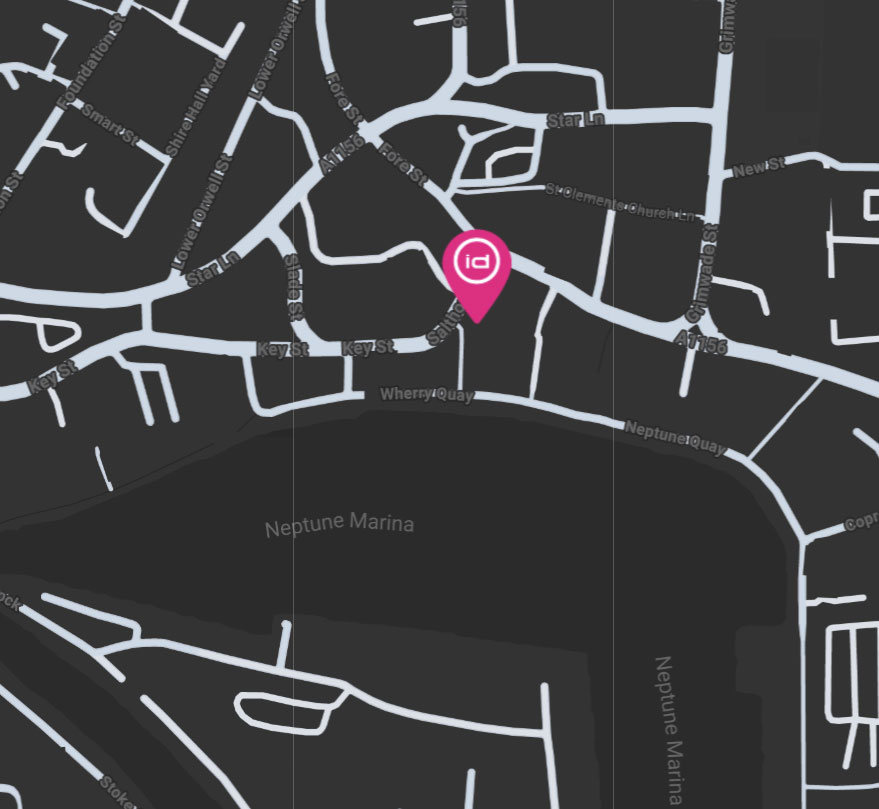
7 Wherry Quay, Ipswich IP4 1LG, United Kingdom
Phone Number:
+441473807014
Website:
https://www.identitywebdesign.com/